Valorie Moser, Who Recruited Victims for GirlsDoPorn Sentenced to Prison
LEGAL NEWS
STRAIGHT



A former employee (Valorie Moser) of the notorious GirlsDoPorn operation, who helped recruit young women under false pretenses, was sentenced to prison Friday, marking one of the final chapters in one of the largest sex trafficking prosecutions tied to the online pornography industry.
U.S. District Judge Janis Sammartino sentenced Valorie Moser to two years in federal prison, followed by three years of supervised release. Moser pleaded guilty in 2021 to conspiracy to commit sex trafficking for her role in the scheme, which prosecutors say victimized more than 570 women nationwide between 2007 and 2019.
Moser worked as a bookkeeper and recruiter for GirlsDoPorn, a San Diego-based website that falsely advertised modeling jobs to young women online. Prosecutors said she was responsible for communicating with applicants, arranging travel, and often personally transporting women to hotels where they were later coerced into filming pornographic videos.
In court, prosecutors emphasized that Moser served as a trusted female presence designed to lower victims’ suspicions.
“Valorie Moser was the one who picked me up and drove me to the hotel where I was trafficked,” one victim wrote in a statement read aloud by Assistant U.S. Attorney Alexandra Foster. “Her role was to make me feel more comfortable because women trust other women. She reassured me that everything would be OK.”
The victim described the encounter as the start of a “nightmare,” adding that Moser was not merely an administrative worker but an active participant in the fraud.
At the sentencing hearing, Moser appeared emotional and was unable to read her own statement. Her attorney, Anthony Colombo, read it on her behalf.
“I want you to know that I hurt you,” Valorie Moser wrote to the victims. “I feel disgusted, shameful and foolish. I failed, and I am truly sorry.”
Colombo asked the court to spare Moser a prison sentence, citing her mental health condition and her cooperation with federal investigators. He argued that Moser assisted both civil and criminal cases against GirlsDoPorn’s leadership and was prepared to testify at trial if necessary, despite what he described as intimidation from her former boss.
Judge Sammartino acknowledged Moser’s cooperation but rejected the request for probation.
“You provided them assurances and comfort,” the judge said. “Much of that comfort was false assurances, and assurances you knew to be false. The court does believe you were involved in the fraud and took part in the fraud.”
Valorie Moser will remain free until she reports to the Bureau of Prisons by Jan. 30, 2026.
Victims and advocates welcomed the sentence. Mariah Rief, a survivor of the GirlsDoPorn scheme and an advocate against revenge porn and doxxing, said the ruling reflected accountability.
“I agree that she needed jail time,” Rief said after the hearing. “There’s no amount of time that would ever be justice. We have life sentences.”
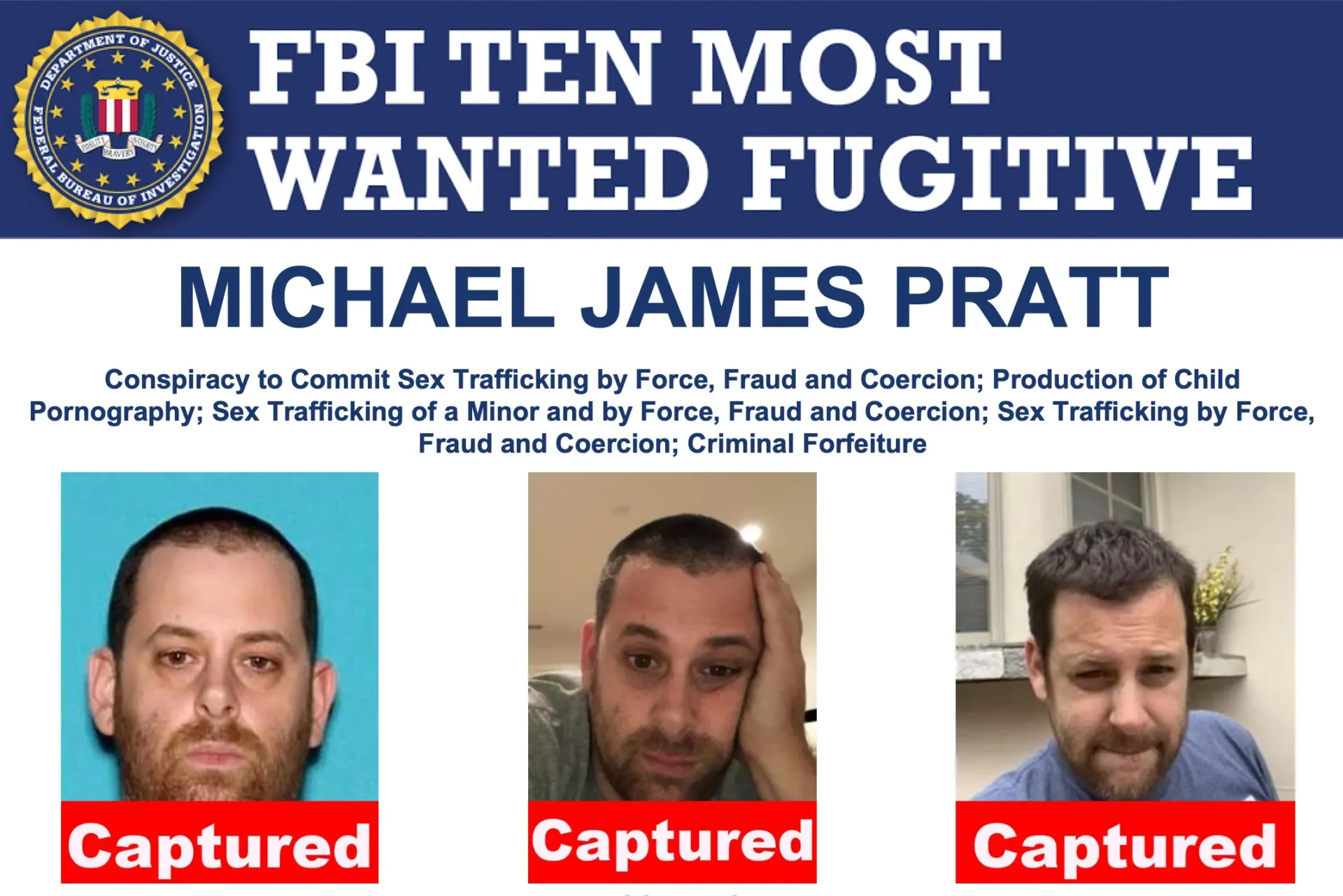
The GirlsDoPorn operation was led by founder Michael James Pratt, who fled the United States after civil lawsuits were filed in 2019 and was later arrested in Spain. Pratt was sentenced in September to 27 years in federal prison. Other co-defendants have received lengthy sentences, including performer Ruben Andre Garcia, who was sentenced to 20 years, and videographer Matthew Isaac Wolfe, who received 14 years.
Federal prosecutors said Moser recruited victims through a fake modeling website and was instructed to offer payments high enough to get women to travel to San Diego, without any intention of paying them in full. Once there, victims were pressured into performing sexual acts after being told the videos would not be posted online.
“Today’s sentence confirms Pratt’s co-conspirators will be held accountable for their roles in his scheme,” an FBI spokesperson said.
Moser is among the last defendants to be sentenced. Douglas Wiederhold, another participant in the operation, is scheduled for sentencing early next year.
The case also led to civil lawsuits against major pornography platforms and financial institutions that allegedly profited from the trafficking operation. Several companies reached settlements with victims, including agreements to pay millions of dollars and strengthen content oversight practices.
For survivors, the sentencing closes one legal chapter but leaves lasting consequences.
“Until there’s stronger policy change,” Rief said, “the harm continues, because the videos are still out there.”











© 2025 NSFW.Army. All Rights Reserved