Federal Judge Strikes Down Louisiana Social Media Age-Verification Law as Unconstitutional
LEGAL NEWS
STRAIGHT



A federal judge has permanently blocked Louisiana from enforcing a law that would have required social media platforms to verify users’ ages and obtain parental consent for minors, ruling that the statute violates the First Amendment.
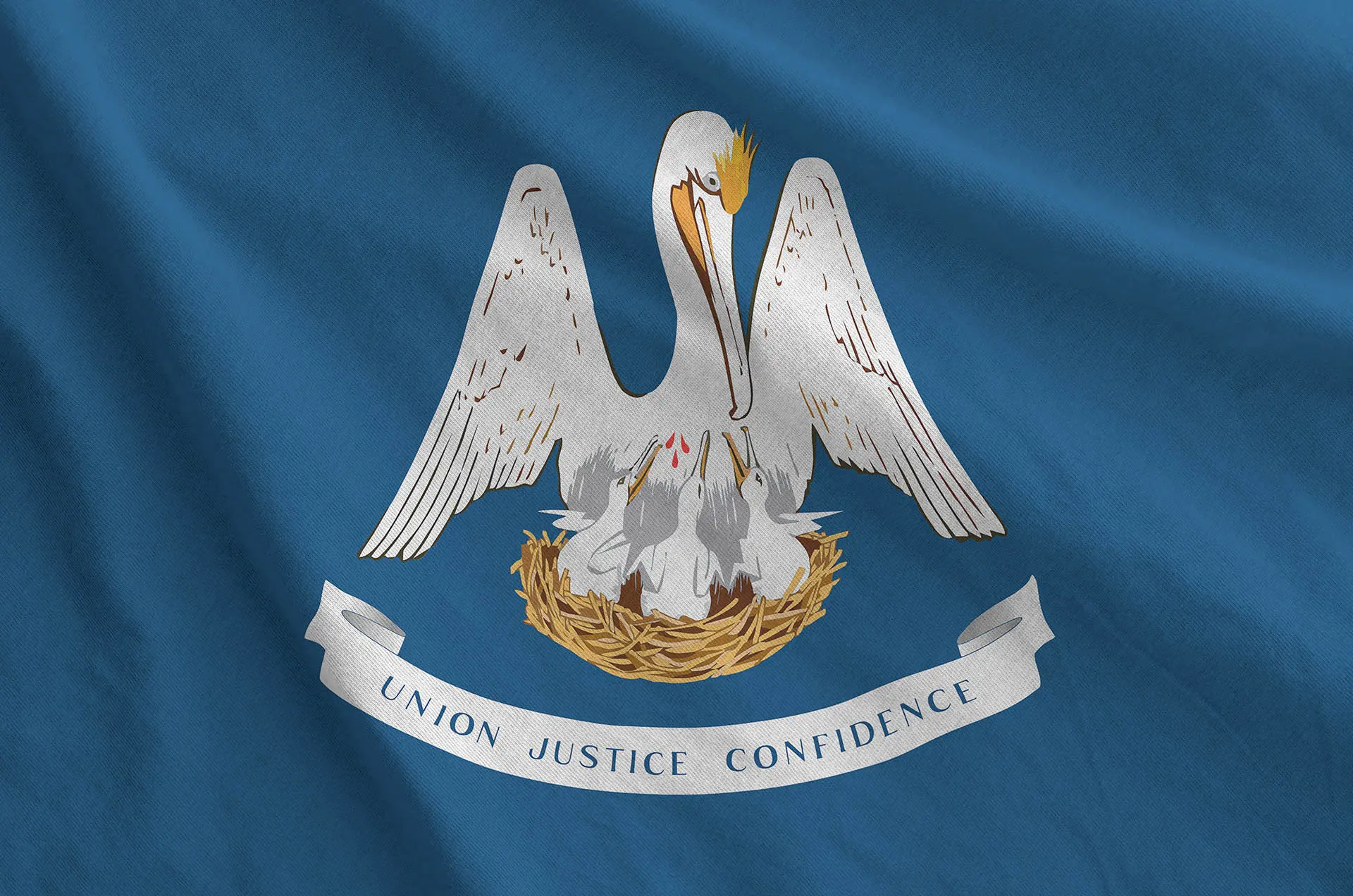
U.S. District Judge John W. deGravelles, sitting in Baton Rouge, ruled in favor of NetChoice, a trade association representing major technology and social media companies, including Meta, Snapchat, Pinterest, and Nextdoor. His decision invalidates the Secure Online Child Interaction and Age Limitation Act, which Louisiana lawmakers passed in 2023, and bars the state from enforcing it going forward.
In his ruling, deGravelles found that the law was unconstitutionally vague and imposed overly broad restrictions on lawful speech. He concluded that the statute would have chilled free expression by forcing users to surrender personal information, including age verification data, as a condition of accessing constitutionally protected speech on social media platforms.
The judge also ordered the Louisiana Attorney General’s Office to pay NetChoice’s attorney fees, a move that underscores the court’s finding that the law could not survive constitutional scrutiny.
NetChoice sued Louisiana on behalf of its member companies, arguing that the state does not have the authority to restrict access to lawful speech simply because it wants to regulate how minors interact online. The group contended that mandatory age verification and parental consent requirements amounted to a prior restraint on speech and forced users to disclose sensitive personal information without sufficient justification.
Judge deGravelles agreed, writing that the law failed to narrowly tailor its restrictions and swept in far more speech than necessary to address child safety concerns.
Louisiana Attorney General Liz Murrill reacted sharply to the ruling, calling it “very, very disappointing” and accusing the court of siding with large corporations over children.
“I think it’s just unfortunate that the judge chose to validate and support the claims of these very, very, very wealthy corporations over protecting minors,” Murrill said Tuesday while leaving the state capitol. “We have an all-hands-on-deck problem, and they should be part of the solution.”
Murrill said the state is facing what she described as an epidemic of online exploitation of minors, including scams, human trafficking, and the possession of child sexual abuse material. She argued that requiring age verification and parental consent is a reasonable policy response to a pervasive problem.
Murrill confirmed that she plans to appeal the ruling, signaling that the legal fight over age verification and online child safety is far from over.
She also pointed to developments in Washington, where Congress is considering legislation that would impose federal age-verification requirements. According to Murrill, support for such measures among some technology companies undermines arguments that age verification is too burdensome or technically unworkable.
“There is actually a newly filed bill in Congress that would require age verification,” she said. “It undercuts their entire claim that it is somehow too burdensome for them to impose age verification requirements.”
The judge’s decision comes amid a national patchwork of legal approaches to online age verification. While Louisiana’s law targeted social media platforms directly, other states and federal lawmakers are exploring models that place responsibility on app stores or device manufacturers instead. Courts across the country have issued mixed rulings, with some age-verification laws upheld and others struck down depending on how narrowly they are written and what types of speech they regulate.









© 2026 NSFW.Army. All Rights Reserved